
Cheapest Residency by Investment in Europe (2026 Guide)

I used their services for assistance with business-related immigration documents. Everything was handled professionally and communication was consistent. They were detail-oriented with paperwork, which honestly helped reduce a lot of stress. Overall, a solid experience without any major issues
Read on TrustPilot
I had a consultation with Bimaris Law Firm regarding immigration and tax questions connected to relocation. They were helpful and seemed knowledgeable in both areas, which saved me time looking for separate specialists. I appreciated the calm and professional approach. The whole experience felt smooth and well managed.
Read on TrustPilot
I've worked with Taras from Bimaris (formerly Intermarium) a few times now over the past few years. As a Canadian citizen, they handled my temporary residence permit on the basis of employment at my already-registered LLC. Everything was successfully handled in 2026, then in 2024. Recommended!
Read on TrustPilot
Working with the team was very easy. They were quick to respond to our questions and needs.
Read on TrustPilot
As in any country, negotiating immigration bureaucracy can be difficult. I am glad I used the services of Bimaris as they were professional and very supportive, advising me at every stage and managing the paperwork. Today, they accompanied me to the Immigration centre to ensure all went smoothly. I strongly recommend them to anyone looking for visa and immigration services in Ukraine.
Read on TrustPilot
I was supported throughout several stages of my immigration process, and they were always happy to provide initial consultation and costing for services without charge. I cannot fault my experience with them
Read on TrustPilot
Professional, reliable and reasonably priced. I would recommend them to my friends or clients if they need legal services in Ukraine.
Read on TrustPilotEver since the search queries for “the cheapest way to obtain EU residency by investment” began to gain popularity, lawyers, asset management specialists, and startup founders have been carefully analyzing European residency-by-investment programs, examining them clause by clause. Latvia’s €50,000 business equity remains the benchmark, but new Hungarian legislation, Greece’s tiered real-estate ladder, and Portugal’s post-2023 fund model have redrawn the value map. In this guide, we'll take a detailed look at every question about these countries - and even more!
What is a Golden Visa?
“Golden visa” is journalistic shorthand for an RBI (Residence-by-Investment) scheme: you invest, the state grants a multi-year residence permit, and you gain mobility plus optional tax planning. Although headlines focus on Schengen access or a future passport, the legal core is a renewable residence card that can be suspended if investment or compliance rules break down.
Main components of every golden-visa framework:
- Qualifying investment category (property, business equity, fund units, government bonds, or donation).
- Minimum investment threshold - what accountants call “hard cash on the line.”
- Holding period during which the investment must stay intact.
- Physical-presence rule (zero-day, light-touch, or mandatory relocation).
- Renewal schedule and whether it converts to permanent residence automatically.
- Naturalization timeline, language/integration tests, and dual-citizenship policy.
Understanding those six levers clarifies why the cheapest golden visa Europe headline sometimes hides expensive compliance later.
A golden visa is not the same as the cheapest citizenship by investment in Europe. No EU country sells citizenship for a check; every route starts with residence. Those looking for instant passports end up in the Caribbean, not the Schengen.
Benefits of a European Golden Visa
European residence-by-investment permits offer a stack of advantages that short-term visas or corporate secondments rarely reproduce.
Schengen Area visa-free travel
The residence card doubles as a travel pass: 90 days in any 180 across 29 Schengen states without visiting a consulate. Cyprus sits outside that travel area for now, though its government targets accession by 2026.
EU residency for the whole family
Baseline inclusion covers the main applicant, spouse, and minor children. Greece widens the circle to adult children up to 24 plus both sets of parents, while Malta’s MPRP folds in grandparents - unique among major EU schemes.
Path to permanent residence and EU citizenship
Latvia, Lithuania, and Italy allow permanent residence after five years; Hungary, after three years of real residence. Citizenship clocks range from seven years in Greece (for those who relocate) to ten years in Latvia, Italy, and Lithuania. Portugal still says five on paper, but draft legislation may stretch that to seven or even ten.
No or minimal physical presence required
Zero-day obligations apply in Latvia, Greece, Hungary, and Italy. Hungary and Latvia permit card renewal by courier if biometrics are already on file. Portugal deviates with a seven-day first-year stay and fourteen days per subsequent biannual period.
Tax and business advantages
- 1Latvia charges zero corporate tax until profits are distributed; retained earnings grow tax-free.
- 2Greece lets new residents cap foreign-sourced income tax at €100,000 per year for up to fifteen years.
- 3Italy’s substitute tax reached €300,000 in 2026; it still lures US and South African HNWIs trading complexity for predictability.
- 4Lithuania offers a highly competitive 7% reduced CIT rate for qualifying micro-enterprises.
- 5Hungary taxes resident fund income at 15% but ignores foreign income if you remain non-resident by spending under 183 days.
Those structural sweeteners can dwarf the headline investment in long-range financial models.
Cheapest EU residency by investment: at a glance
| Country | Programme | Minimum investment | Typical timeline | Initial permit | Schengen access | Presence rule |
|---|---|---|---|---|---|---|
| Latvia | Business equity | €50,000 + €10,000 state fee | 1–3 mo | 5 yr* | ✔ | 0 |
| Lithuania | Entrepreneur TRP | €28–31,000 capital | 2–3 mo | 2 yr | ✔ | 0 |
| Estonia | Startup Visa | No fixed minimum | 2–3 mo | 5 yr | ✔ (TRP) | Project-driven |
| Hungary | Guest Investor | €250,000 fund | 4–6 mo | 10 yr | ✔ | 0 |
| Italy | Investor Visa | €250,000 startup | 3–6 mo | 2 yr | ✔ | 0 |
| Greece | Real estate (tier 2) | €400,000 | 3–4 mo** | 5 yr | ✔ | 0 |
| Portugal | ARI fund route | €500,000 | 24–36 mo | 2 yr | ✔ | 7–14 d |
| Cyprus | PR Fast-Track | €300,000 | 2–6 mo*** | Permanent | ✖ | 1 visit/2 yr |
| Malta | MPRP | €169,000+ | 4–6 mo | Permanent | ✔ | 0 |
| Ukraine | PR by investment | $100,000 | 8–10 mo | 10 yr | N/A | 0 |
Parliament may shorten Latvia’s initial card to two years on 1 Jan 2027.
Greek property conveyance often stretches total project time beyond immigration approval.
Cyprus's official target is 2-3 months, but practitioners report actual approvals running closer to 6 months in 2026.
Ready to secure European residency?
Get a personalised strategy based on your budget, timeline, family needs, and long-term goals.

Latvia - the cheapest golden visa in Europe
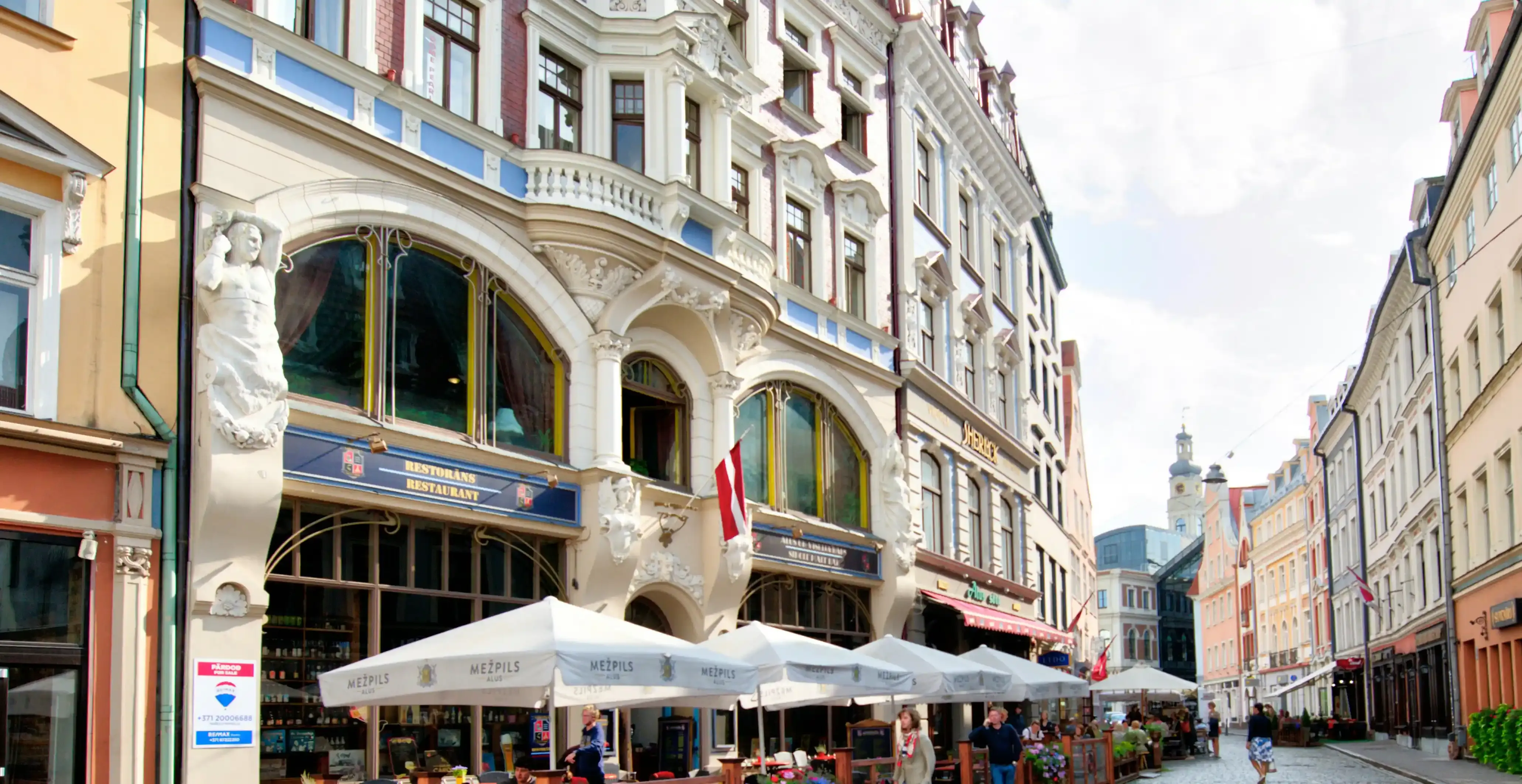
Latvia’s €50,000 equity stake plus €10,000 state fee underpins the marketing claim of the cheapest golden visa in Europe. Even after notary, bank, legal, and translation costs, most applicants complete the file for under €65,000. By contrast, the lowest Greek tier requires a €250,000 outlay plus taxes and lawyer fees that often push the true cost above €275,000.
Official data released recorded 201 approvals in 2025, a 34.9% rise on 2024 issuance. Analysts attribute the jump to investors front-running the reform bill that will erase alternative routes and possibly chop permit validity to two years.
Latvia runs three OCMA lanes: standard 30-day, 10-day urgent, and 5-day express. Assembly time is the real variable; business plans, tax projections, and AML screening must all pass muster before OCMA will even take the file.
Investment routes and thresholds
The SME route requires the target company to pay €40,000 in Latvian taxes during the first twelve months. Investors can inject into a fresh SIA or recapitalize an existing one whose turnover is below €10 m and headcount under fifty. Legacy routes - €250,000 property, €250,000 government bonds, and €280,000 bank deposit - are slated for removal on 1 January 2027.
What changes in 2027 - and why 2026 matters
The Saeima approved immigration amendments on 11 June 2026; the President requested clarifications on 19 June, and as of now the bill remains under this second review rather than confirmed law - but observers expect re-adoption by autumn. If enacted, applications submitted before 31 December 2026 will still receive five-year cards under current rules, turning autumn into peak urgency season. The proposed two-year card still qualifies for Schengen travel but doubles renewal frequency, increasing long-term cost.
How Bimaris handles Latvia applications
Bimaris blends corporate and immigration tasks in a single project schedule:
- 1Preliminary AML and source-of-funds vetting.
- 2SIA incorporation or share purchase in an existing qualifying company.
- 3Drafting and notarizing the share-subscription agreement.
- 4Coordinating bank account opening and capital transfer.
- 5Filing the OCMA package with certified translations.
- 6Booking and accompanying for Riga biometrics.
- 7Post-approval company compliance (VAT, payroll, annual report).
Because the firm's Kyiv-Tallinn desk services CIS investors daily, the full requirements, fee schedule, and step-by-step process are laid out on the Latvia Residence by Investment service page - worth a look before the reform window closes if you want to secure the current five-year terms. If you'd like a read on your own eligibility, Bimaris offers a preliminary case review before you commit any capital.
Lithuania - affordable EU residency for investors

Lithuania rarely surfaces on lifestyle rankings but dominates spreadsheets when founders model burn rate. Operating in Vilnius costs roughly 40% less than in Berlin and 55% less than in Stockholm. Vilnius runs meaningfully cheaper than Western European capitals on office space, salaries, and day-to-day operating costs - add the 7% micro-CIT and a two-year entrepreneur TRP that costs €28,000-31,000 in paid-in capital, and Lithuania becomes the second-placed cheapest EU golden visa in raw cash terms.
Investment routes and thresholds
The Migration Department demands:
- at least 33% shareholding,
- six months of commercial activity before filing,
- two Lithuanian/EU employees on a combined €4,500 gross monthly salary.
Startups inclined toward biotech, fintech or AI can bypass the capital rule under the Startup Visa. Approval is merit-based; the only numeric requirement is subsistence funds of €800/month.
How Bimaris handles Lithuania applications
Because Lithuanian case officers scrutinise payroll and invoicing, Bimaris structures the corporate timeline around hard evidence, not mere intent.
- 1Company structuring - registration at the Centre of Registers, tax number, digital signature cards.
- 2Capital verification - bank letter proving at least €14,000 cash contribution from the foreign shareholder.
- 3Employment layer - drafting labor contracts, posting social contributions and filing Sodra reports prior to submission of migration.
- 4Document pack - balance sheet, invoices, employment ledgers, and commercial lease, each translated and apostilled.
Most founders weighing this route start by reviewing the requirements and fee breakdown on the Lithuania Residence Permit by Investment page before structuring their company and wiring capital. Bimaris can assess whether your business model clears the employment and salary thresholds before you spend a euro.
Greece - €250,000 real estate route

Greece’s property law 5100/2024 splits the market into three bands: €800,000 for Attica, Thessaloniki, Mykonos, Santorini and large islands; €400,000 for the rest; and €250,000 for renovations and conversions. The €250,000 figure still feeds the demand for the cheapest residency by investment in Europe, but availability is geographically narrow and project-managed by local engineers.
Nationwide residential prices rose roughly 7-8% in 2025; central Athens rental yields average 4.7% gross, running as high as 6-9% in well-located central neighborhoods. Buyers must secure an AFM tax number, open a Greek bank account, and pay a 3.09% property-transfer tax (a 3% base rate plus a 3% municipal surcharge) - margins that often surprise investors accustomed to zero transfer tax in Latvia.
Current thresholds by region
| Zone | Threshold | Notes |
|---|---|---|
| Prime Attica + big islands | €800,000 | One unit ≥120 m² |
| Mainland & smaller islands | €400,000 | One unit ≥120 m² |
| Conversions/restorations | €250,000 | No size rule, heavy renovation obligations |
High-net-worth buyers sometimes pivot to the €500,000 government-bond route to avoid renovation risk, but that instantly disqualifies Greece from any “cheapest” headline.
Who Greece suits best
Mediterranean climate, English-speaking international schools, and the €100,000 non-dom flat tax create a hybrid: lifestyle now, passport later. Clients who physically move can apply for citizenship after seven years, though they must pass Greek language A2 and civic integration.
Hungary - Guest Investor Programme

Hungary’s 2024 reboot offers the only ten-year golden-visa card in Europe and does so at €250,000 - half Portugal’s fund threshold. That alone earns it multiple mentions as the cheapest EU golden visa alternative for applicants who prioritize long card validity.
Fund units must stay put for five years; the fund itself must channel at least 40% of assets into Hungarian residential real estate but can diversify the remainder. The public-interest trust donation route at €1 million rarely targets budget hunters.
Investment options and thresholds
The process follows an “approve first, invest after” logic. Applicants lodge personal documents at a Hungarian embassy; once cleared, they receive a six-month entry visa to finalize the investment in Budapest. That sequencing cuts emulator risk: capital remains in the investor’s home account until the immigration green light.
Who Hungary suits best
Time-poor managers, nomad founders, and UK or Israeli nationals accustomed to London-Budapest and Tel-Aviv-Budapest flight grids. The zero-day residency rule pairs with the ten-year card to create minimal friction. Fund distributions are taxed at 15%, but only on Hungarian-sourced income; worldwide income is ignored if presence stays under 183 days.
Italy - Investor Visa routes

Italy’s €250,000 innovative-startup lane is often dismissed by property enthusiasts, yet it stands neck-and-neck with Hungary on the list of cheapest golden visa Europe entries once real estate is stripped from the equation. Moreover, Italian offices handle Nulla Osta approvals in English, an underrated perk.
Startup, company, bonds, philanthropy options
A valid innovative startup must:
- be younger than five years,
- be headquartered in Italy,
- commit at least 15% of costs to R&D,
- file a balance sheet at the Chamber of Commerce.
Investors cannot hold a controlling stake pre-investment, ensuring genuine new capital. The €500,000 limited-company option allows larger blue-chip targets with dividend histories; €2 million BTP bonds suit capital-protection buyers.
Who Italy suits best
Applicants seeking a lifestyle residence without relocation who value brand cachet - think Silicon Valley engineers planning sabbatical years in Florence. Italy's lump-sum tax now sits at €300,000 a year for anyone establishing tax residence from 2026 onward (it was €200,000 before the latest Budget Law, and €100,000 when the regime launched in 2017 - those already enrolled keep whichever rate they locked in). For ultra-HNWIs, it replaces multiple income-tax filings across several jurisdictions, and the maths only really works once foreign income runs well into seven figures.
Portugal - ARI (no longer real-estate led)

Portugal’s ARI still receives thousands of searches for the cheapest European golden visa, yet its fund floor is €500,000 - double that of Hungary and Italy. Processing delays further erode value; a 24-36 month average means some investors wait longer for the card than the five-year Latvian naturalization clock.
Current qualifying routes
- 1€250,000 cultural-heritage donation (least cash, but no capital return).
- 2€500,000 fund subscription into a VC or PE vehicle (60% invested in Portuguese firms).
- 3€500,000 research donation.
- 410 new jobs or €500,000 company equity tied to job creation.
The fund route dominates new filings, but Americans encounter PFIC complexity. A QEF election can mitigate it, but many families pivot to the donation, paying a non-recoverable €250,000 yet avoiding years of IRS headaches.
US tax note: PFIC risk for fund investments
Under US Code § 1297, a fund earning >75% passive income is a PFIC. Without QEF, growth is taxed at 37% plus an interest factor. Green Ocean Global modeled a €600,000 investment returning a €250,000 gain: effective tax is 44% vs. 29% under QEF. Bimaris, therefore, organizes a cross-border tax memo in the first month, a step that saves bigger fees later while keeping the ARI in the running as the cheapest EU residency by investment candidate in net-of-tax terms.
Cyprus and Malta - permanent residence routes

Permanent status on day one makes Cyprus and Malta poor fits for "cheapest" solution but ideal for families needing irrevocable security. We're building out a full comparison in our upcoming Cyprus Residency by Investment guide - check back if you want the deep dive once it's live.
Cyprus Permanent Residence Programme
Six routes exist, but the large majority of applicants buy a €300,000 new build plus VAT. The Interior Ministry's official target is a decision-in-principle within two to three months; however, practitioners report timelines closer to six months in 2026. Investors are typically asked to show €50,000 annual overseas income and maintain a local bank deposit of €30,000 for three years.
Malta MPRP
Base government/admin costs (excluding the property or rental commitment itself) run to roughly €99,000 for the rental route, with somewhat lower thresholds available in the South of Malta and Gozo. Net-asset rule: €500,000, including €150,000 liquid. Schengen membership gives Malta a mobility edge over Cyprus until the latter's accession clears EU Council unanimity.
How these differ from classic golden visas
Neither route laps into the EU’s political debate about real estate inflation because both deliver PR rather than a short-term residence card. But they trade liquidity for certainty; investors pay large contributions that never come back, disqualifying them from terms like cheapest EU golden visa despite solid value for legacy planning.
Estonia - e-Residency and startup visa
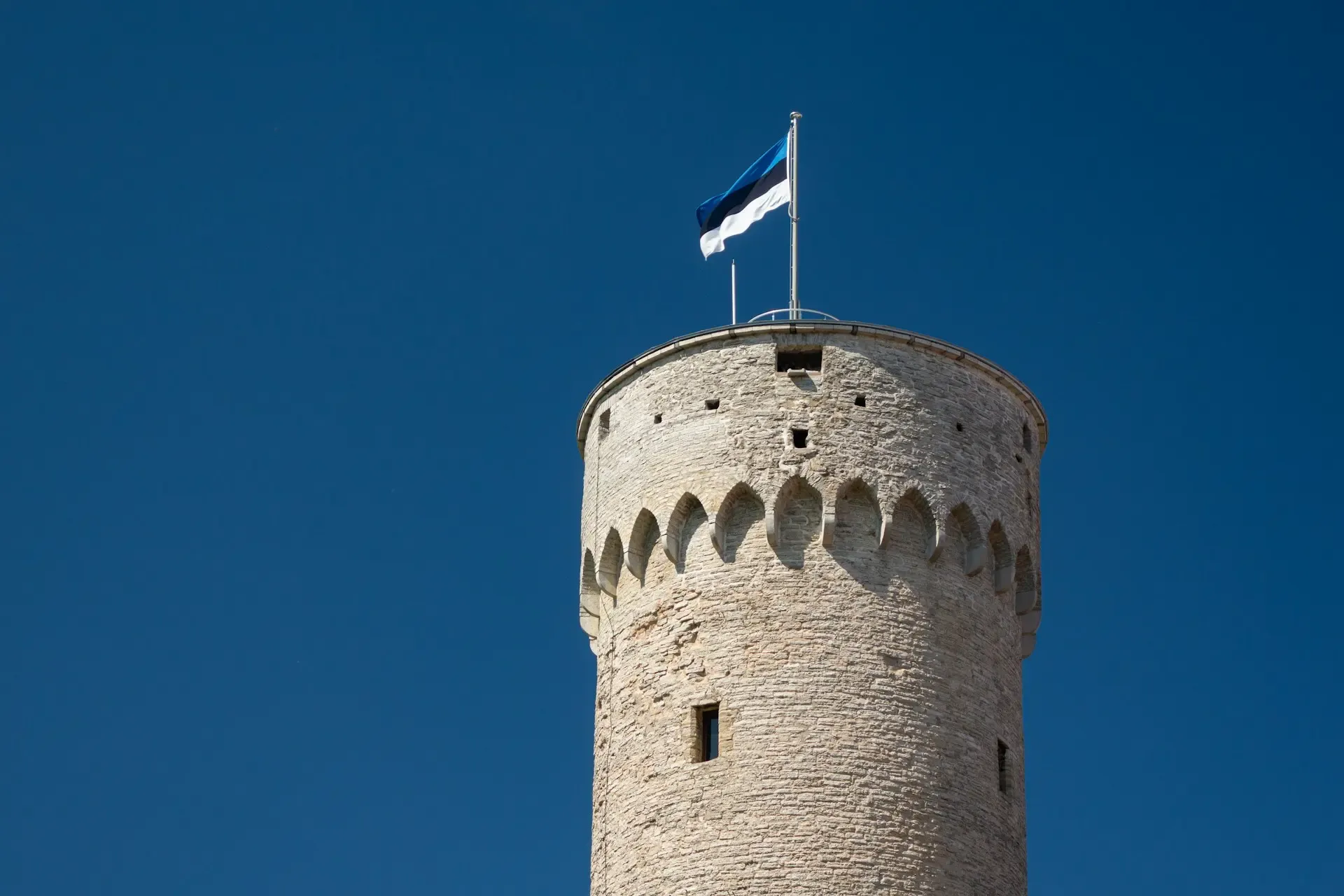
Estonia's e-Residency card costs €120-150 depending on your pickup location (the state fee was €100 until a 2025 increase) and grants a digital signature; it's a tool, not a visa. Yet confusion persists on forums - migrants think plastic equals moving rights. The Startup Visa, by contrast, is a residence permit good for up to five years and does not enforce any capital minimum, making it technically the cheapest way to get EU residency for genuine founders.
What Estonia's e-Residency actually gives you
- Create an OÜ remotely within a day.
- Issue EU-compliant invoices and sign PDFs.
- Access fintech banking such as Wise, Paysera and Mercury.
- File VAT returns online.
But you still need a D-visa or TRP to live in Tallinn.
Estonia startup visa - for founders relocating
The Startup Committee reviews business plans in ten working days. After approval, applicants file for a D-visa (12 months) or a full TRP (5 years). Required proof of means equals 12 × Estonia’s monthly subsistence index (€800 for the lead founder). Unlike most cheapest EU golden visa paths, Estonia demands actual company growth: failure to meet milestones can lead to permit withdrawal.
Ukraine - residence by investment outside the EU

Ukraine’s $100,000 route attracts investors keen on reconstruction contracts, renewable energy concessions, and agritech. Despite the risks of the wartime, the National Bank posted foreign direct investment at $2.4 billion for 2025, which speaks to an ongoing economic resilience.
Temporary and permanent residence by investment
The Immigration Law distinguishes: temporary residence for one year, renewable, or an immigration permit that leads directly to a ten-year PR card. Investors contribute $100,000 as foreign capital into charter funds, share purchases, or tangible assets recorded with the National Securities and Stock Market Commission.
How Ukraine differs from EU programmes
Foreign investors retain operational control and can now repatriate up to €1 million in new dividends monthly. War-risk insurance and currency-convertibility instruments have become less costly, as Ukraine’s FDI attractiveness index climbed back to 2.70/5 in 2025.
The route to citizenship is standard naturalization, not something built into the investment: it requires five years of continuous legal residence under permanent-residence status, a language test, and (outside a few exempted categories) proof that you're renouncing your prior citizenship. That said, Ukraine legalised multiple citizenship on 16 January 2026, and nationals of Canada, the US, Germany, Poland, and the Czech Republic can now simply file a declaration rather than a formal renunciation letter, so the "must give up your passport" assumption no longer holds for everyone, and it's worth checking where your own nationality falls before assuming the worst case.
How Bimaris handles Ukraine applications
Bimaris breaks the process into accountable milestones:
- 1Legal opinion on admissibility (national-security vetting, sanctions check).
- 2Company registration or share-capital increase at the Ministry of Justice.
- 3Opening a dedicated investment account and registering the foreign inflow.
- 4Compiling charter, lease, audit report, fiscal invoices.
- 5Filing the immigration permit with State Migration Service.
- 6Post-PR upkeep: tax ID, residence address, UBO registry, and annual submission.
The Kyiv office handles every governmental touchpoint in Ukrainian, which matters if you don't speak the language yourself. The full process, document checklist, and typical timeline are set out on the Ukraine Permanent Residence by Investment page - a useful starting point before you register a company or move any capital.
How to choose - key factors beyond the minimum investment
Choosing the cheapest EU residency by investment is rarely about the sticker number alone. Latvia wins on euros, but Greece outperforms on lifestyle ROI, Hungary on permit length, and Malta on multi-generation inclusion.
Investors should weigh:
- 1Total cost. Government contributions in Malta add substantially to the headline sum, while Portugal's PFIC tax may triple the real bill for Americans.
- 2Processing backlog. Italy averages four months; Portugal, up to thirty-six.
- 3Route durability. Latvia’s 2027 overhaul is imminent; Hungary already killed its direct real estate lane in 2025.
- 4Family breadth. Malta covers grandparents; Cyprus removed parents in 2023.
- 5Tax overlay. Latvia zeroes outbound dividends; Greece’s flat tax caps liability; Hungary ignores non-resident investors entirely if under 183 days.
- 6Mobility priority versus citizenship goal. Cyprus and Malta are mobility plays; Lithuania and Estonia suit founders who eventually want an EU passport through naturalization.
Permit Length vs. Presence Matrix
| Country | Initial permit years | Renewal cycle | Minimum stay to maintain | Years to permanent residence | Years to citizenship |
|---|---|---|---|---|---|
| Latvia | 5* | 5* | 0 | 5 | 10 |
| Lithuania | 2 | 2 | 0 | 5 | 10 |
| Hungary | 10 | 10 | 0 | 3 (if resident) | 8 |
| Italy | 2 | 3 | 0 | 5 | 10 |
| Greece | 5 | 5 | 0 | 5 | 7 |
| Portugal | 2 | 2 | 7–14 d | 5 (law under review) | 5–10* |
| Cyprus | N/A (PR) | N/A | 1 visit / 2 yr | Immediate | 7 (ordinary) |
| Malta | N/A (PR) | N/A | 0 | Immediate | 5–7 (ordinary) |
Latvia's reform may shorten the initial permit to 2 years (still pending a second presidential review as of writing), and Portugal's law amendment could move citizenship to 7 years for future applicants.
Why work with Bimaris - a Baltic-based law firm
Bimaris positions itself as a regional “one-stop” for Baltic and Eastern European immigration - rare in a sector where many law firms specialize in only one jurisdiction.
Investors evaluating the cheapest EU golden visa quickly discover that the lawyer’s blend of corporate, immigration and tax skill sets often saves more money than a discount on legal fees. Bimaris competes on process depth rather than flashy marketing.
Core advantages clients cite:
- 1Integrated service map - Latvia, Lithuania, Estonia and Ukraine handled under a single compliance team.
- 2Cross-border tax logic - in-house accountants model flat-tax, PFIC and dividend-tax impact before route selection.
- 3Local language command - Latvian, Lithuanian, Estonian, Ukrainian and Russian filings completed without third-party translators.
- 4Track record - 100+ Latvia approvals, zero Ukraine PR refusals and a 5.0 Trustpilot rating.
- 5Post-approval maintenance - corporate books, VAT filings, payroll, UBO renewals, and permit extensions managed on annual retainer.
By housing all steps under one umbrella, the firm prevents the budget creep that can turn the supposed cheapest golden visa Europe into an unexpectedly expensive migration project.
Ready to secure European residency?
Get a personalised strategy based on your budget, timeline, family needs, and long-term goals.

Related publications
Explore related insights and legal updates, covering immigration, relocation, and cross-border mobility.

Our legal experts will help you navigate the Cyprus residency process, choose the right investment route, and prepare a compliant application.

The Italy Digital Nomad Visa gives non-EU remote professionals a legal route to live in Italy while working online.

Permanent residency is the next logical step once you have tested the continent on short-term visas and decided you want a stable base.

The Portugal digital nomad visa (D8) lets remote workers live in the country while earning income outside. Applicants qualify as remote employees, freelancers, contractors, or business owners.

Croatia’s Digital Nomad Visa lets remote workers live legally in Europe for up to 18 months while working for foreign clients or companies tax-efficiently.

A concise overview of the European Union Migration Pact, explaining the new migration and asylum rules and how they will affect moving to Europe from 2026.
Common questions about EU residency by investment
What is the cheapest golden visa in Europe in 2026?
Measured by the statutory threshold, Latvia’s €50,000 SME equity route remains the cheapest golden visa Europe choice. Add the €10,000 state fee and modest legal costs, and it still undercuts Greece’s heritage lane by almost two-thirds. Reform risk means that timing the application before 31 December 2026 is critical, though it's worth remembering the underlying bill is still going through a second presidential review, so the exact cut-off could still shift.
Can Americans apply for a European golden visa?
Does a golden visa lead to EU citizenship?
How long does Latvia's golden visa take to process?
Will Latvia still offer residency by investment after 2026?

