
Italy Digital Nomad Visa: Complete Guide 2026

After relocating to Lviv, I contacted Bimaris Law Firm to obtain my work permit and residence permit. They prepared all the documents and guided me through every step. Fast, reliable, and stress-free service.
Read on TrustPilot
I moved to Kyiv to work as a software engineer and needed a work permit and temporary residence permit in Ukraine. Bimaris Law Firm prepared all the required documents and handled the process efficiently. Everything was completed on time, and communication was clear throughout.
Read on TrustPilot
I used their services for assistance with business-related immigration documents. Everything was handled professionally and communication was consistent. They were detail-oriented with paperwork, which honestly helped reduce a lot of stress. Overall, a solid experience without any major issues
Read on TrustPilot
I had a consultation with Bimaris Law Firm regarding immigration and tax questions connected to relocation. They were helpful and seemed knowledgeable in both areas, which saved me time looking for separate specialists. I appreciated the calm and professional approach. The whole experience felt smooth and well managed.
Read on TrustPilot
I've worked with Taras from Bimaris (formerly Intermarium) a few times now over the past few years. As a Canadian citizen, they handled my temporary residence permit on the basis of employment at my already-registered LLC. Everything was successfully handled in 2026, then in 2024. Recommended!
Read on TrustPilotThe Italy Digital Nomad Visa gives non-EU remote professionals a legal route to live in Italy while working online. Applicants must prove highly qualified work. They need active income, prior professional experience, health insurance, suitable accommodation, and post-arrival residence registration. This guide explains the Italy digital nomad visa requirements in 2026. We cover income rules, documents, taxes, timelines, renewals, and practical relocation choices.

What Is the Italy Digital Nomad Visa?
The Italy digital nomad visa is a national long-stay visa. It is created for highly qualified non-EU professionals who work remotely through digital tools. It covers two profiles:
- Self-employed digital nomads;
- Employed remote workers.
Legal basis and official launch
Italy introduced the visa framework through the Decree of 29 February 2024. The act was published in the Official Gazette on 4 April 2024 and created rules for entry and residence.
It applies to non-EU citizens. These applicants must perform highly qualified work remotely through technological tools. The Italian digital nomad visa program applies to 90+ day stays. Successful applicants receive a residence permit for up to a year. Annual renewal possible. The applicant must still meet the same conditions at each renewal stage.
Why this visa skips the work permit and immigration quota requirements
The digital nomad visa for Italy sits outside Decreto Flussi. The applicant does not compete for annual immigration quota slots. Self-employed digital nomads do not need the provisional clearance normally required for self-employment. Remote workers also skip the standard Italian work authorization before visa filing.
This exemption changes the procedure. It does not lower the proof standard. Italy digital nomad visa requirements still include professional qualifications, active income, and accommodation. Applicants also need at least six months of prior experience.
Who Can Apply? Eligibility Requirements
Italy accepts highly qualified remote professionals under this route. The applicant must work online, earn active professional income, and perform the activity as a freelancer, independent specialist, employee, or collaborator.
Non-EU citizenship requirement
The digital nomad visa in Italy is available to third-country nationals. Non-EU applicants must apply through the Italian consulate. A non-US citizen living in the United States must prove lawful residence in the relevant consular district. B1/B2 visitor status is not accepted for that purpose.
Professional qualifications
The core requirement is highly qualified work. Italy links this standard to university education, post-secondary professional training, regulated-profession credentials, or substantial documented experience.
A strong file includes one of the following:
- University degree relevant to the remote profession;
- Post-secondary qualification of at least three years;
- Professional license or registration for regulated fields;
- At least five years of professional experience in the sector;
- Three years of experience in the last seven years for qualifying ICT managers or specialists.
Foreign degrees and professional documents should be apostilled or legalized before applicants apply for the Italy digital nomad visa. Consulates may also require an Italian translation, Declaration of Value, or CIMEA comparability statement.
Applicants must prove at least six months of prior experience in the work activity they will perform remotely from Italy. Digital nomads can use tax returns, client invoices, business records, and professional association membership. Remote workers can use tax returns, pay slips, or an employer's letter.
Eligible professions and fields
Eligible professions may include:
- Software engineers and developers.
- Cybersecurity specialists.
- Architects.
- Designers.
- Marketing strategists.
- Financial analysts.
- Business consultants.
- Researchers.
- Professional writers.
- Product managers.
- Senior business operators.
This list is not exhaustive. The decisive point is not the job title, but proof of highly qualified work: education, professional experience, contracts, income records, and verifiable remote activity.
Italian digital nomad visa requirements do not cover every online job. A basic administrative role can fail. So can casual creator income or freelance work without contracts, invoices, tax records, and client payment history.
Employment vs. freelance/self-employed: different rules
Italy separates applicants into two groups.
- A “digital nomad” is self-employed and works independently.
- A “remote worker” is employed or collaborates under a contract while performing work remotely.
The requirements for digital nomad visa in Italy differ by category:
| Applicant type | Main work proof | Extra rule |
|---|---|---|
| Self-employed digital nomad | Freelance contracts, client agreements, invoices | Self-employed digital nomads must plan for codice fiscale and Partita IVA |
| Remote employee or collaborator | Employment contract, collaboration agreement, binding job offer | Salary must meet the applicable collective agreement and ISTAT benchmark |
| ICT manager or specialist | Contract, company documents, role evidence, experience proof | Three years of relevant experience in the last seven years may qualify |
For remote workers, Italy digital nomad visa eligibility requirements include two employment-specific checks. The first check concerns pay. The contract or binding offer must show remuneration at or above the relevant national collective agreement. The responsible consulate also applies the ISTAT salary benchmark.
The second check concerns the employer. The employer must sign a declaration. It must confirm no relevant convictions in the previous five years.
Financial Requirements: Income Thresholds
Italy sets a legal income formula, but consular practice is not fully uniform. Applicants should use the highest practical threshold and prove that the income comes from remote professional work.
Minimum income for the main applicant
The Italian digital nomad visa income requirement is based on a formula: at least three times the minimum annual level for exemption from participation in Italian healthcare expenses.
In practice, consulates currently apply figures from about €25,500 to €28,000. Some consular checklists calculate the threshold as approximately €8,500 × 3; the New York consulate still references €24,789 with a 2024 note, while other consular practice is more conservative. Applicants should prepare at least €28,000 and preferably €30,000+ in annual active income.
We recommend filing with a margin above the consular minimum. A target of €30,000–€35,000 in annual active income gives the file room for exchange-rate movement, irregular monthly payments, or stricter consular review.
Additional income for dependants
The decree allows family reunification for qualifying family members, but Italy digital nomad visa income requirements 2026 must be calculated with dependants in mind. In current consular practice, spouses and minor children are the clearest dependent categories. New York’s consulate guidance states that digital nomads and remote workers currently cannot sponsor children over 18 or parents, even if those relatives are dependent.
Use Italy’s standard family-reunification income requirements as a minimum reserve. For the 2026 filing, these practical targets are safer:
| Family size | Recommended minimum active annual income |
|---|---|
| Main applicant only | €28,000 minimum filing target; €30,000+ recommended |
| Applicant + spouse | €35,000+ recommended |
| Applicant + spouse + 1 child | €40,000+ recommended |
| Applicant + spouse + 2 children | €45,000+ recommended |
These figures are practical filing targets. The consulate and Questura make the final assessment.
Acceptable proof of income: bank statements, contracts, tax returns
The digital nomad visa income requirements in Italy should be proven from several directions. A strong file includes bank statements, tax returns, pay slips, invoices, client contracts, employment agreements, and payment confirmations.
The best evidence proves three points:
- 1The applicant earns enough.
- 2The income is regular.
- 3The work can continue remotely from Italy.
Consulates commonly request recent bank statements, tax documents, and professional contracts. Remote workers should add pay slips and an employer letter; freelancers should add invoices, client agreements, and business registration evidence.
What income does NOT count
Italy digital nomad visa income requirements focus on active remote work that the applicant will continue from Italy. Passive income can support the financial picture, but it does not satisfy the threshold on its own.
Do not rely on:
- Rental income
- Social security payments
- Dividends
- Stock gains
- Crypto gains
- Capital gains
- Pension income
- Savings
- Family support
- One-time asset sales
Savings can support financial stability. They do not replace active work income.
Full Document Checklist
A complete Italy digital nomad visa application must prove identity, jurisdiction, professional qualification, prior experience, active work, income, insurance, and accommodation. Missing one pillar can lead to refusal.
Basic application documents
Prepare the base file before booking the appointment:
- National visa application form.
- Valid passport with at least two blank pages.
- Passport validity matching the local checklist; some consulates require at least 15 months of validity past the intended travel date.
- Recent ICAO-compliant photo.
- Proof of residence in the consular district.
- Proof of lawful residence if applying outside your country of citizenship.
- Visa fee payment.
- Professional qualifications.
- Proof of at least six months of prior experience in the same remote activity.
- Income evidence.
- Health insurance.
- Accommodation proof.
- Travel reservation if the consulate requires it.
The national visa fee is generally €116 or the local-currency equivalent. The exact amount can change under quarterly consular exchange-rate updates.
Employment contract or freelance evidence
Italian digital nomad visa eligibility criteria depend on the work model. Employees need an employment contract, collaboration agreement, or binding job offer. Freelancers need client contracts, invoices, business registration, tax records, portfolio evidence, and proof of professional continuity.
A remote-work letter must include concrete details. The document should state the role, duties, salary or fee structure, contract duration, remote-work permission, company details, and signatory authority.
Remote workers must also show that remuneration meets the relevant Italian collective agreement and the ISTAT salary benchmark used by the responsible consulate. This check belongs in the employment evidence, not only in the financial section.
Employer declaration
Remote workers must add a signed employer declaration to the Italy digital nomad visa application file. This document has one purpose. It confirms that the employer has had no relevant convictions in the previous five years. These offenses concern immigration, labor, and exploitation under Italian law. Attach a copy of the signatory’s ID.
This requirement applies only to the remote worker category. Self-employed applicants should still prepare clear client documentation because consulates may check counterparties.
Health insurance requirements
The Italian digital nomad visa requirements include health insurance valid throughout Italy. U.S. consular guidance applies a minimum of €30,000 or $50,000 and requires a policy letter or certificate, not only an insurance card.
Use a policy that explicitly covers Italy, hospitalization, urgent care, and repatriation. The coverage period should match the requested visa period.
Proof of accommodation in Italy
Accommodation proof is one of the highest-risk parts of the file. The safest document is a registered residential lease in the applicant’s name. A deed works for owners.
For rented housing, use a registered Contratto di Locazione ad Uso Abitativo with proof of registration by the landlord at Agenzia delle Entrate. Hotel stays and third-party hospitality offers are unacceptable for this visa.
How to Apply: Step-by-Step Process
The Italian digital nomad visa application process starts abroad and continues in Italy. The consular visa allows entry. The residence permit confirms legal stay after arrival.
Prepare documents and complete the application form
Start with the professional and income documents. Legalize degrees, translate foreign certificates, confirm insurance, secure accommodation, and complete the national visa form.
For complex files, the best order is:
- Confirm eligibility.
- Choose the employee or self-employed category.
- Collect qualification evidence.
- Build six months of prior experience proof.
- Build income proof.
- Secure compliant accommodation.
- Buy health insurance.
- Complete the national visa form.
Book a consulate appointment
Apply at the Italian consulate responsible for your legal residence. The application for digital nomad visa in Italy cannot be filed at a convenient consulate if you do not live in that district.
In high-demand consular districts, appointment waiting time can add several weeks before filing. Book early, then refresh time-sensitive documents closer to the appointment date.
Submit in person and pay the fee
Most consulates require in-person submission. Bring originals, copies, translations, and legalized documents required by the local checklist.
Digital nomad visa costs in Italy include the national visa fee, translations, apostilles or legalization, insurance, accommodation deposit, and professional support. A realistic personal filing budget is usually €1,000–€3,500 before the rental deposit.
Passport handling
Some consulates keep the passport during processing. Others allow return by courier or require a prepaid envelope.
Do not book essential international travel during the review window. First, check the passport-return rule at your consulate.
Enter Italy within 90 days of approval
Enter Italy while the visa is valid. The lease, insurance, work contract, and income evidence should still match the visa file.
Italy digital nomad visa duration does not end with the visa sticker. After entry, the residence permit process starts immediately. The permit becomes the document that confirms legal stay in Italy.
Apply for residence permit in Italy
After entering Italy, apply for the residence permit within 8 working days. The competent Questura handles this stage. A successful applicant receives a permit for 1 year. Local renewal remains possible if the main conditions stay valid. Employment, lodging, health insurance, and other supporting proof must remain in order. Bring the documents endorsed by the consulate. In some provinces, the process starts through the post-office kit before the police appointment.
Processing Times and Realistic Timelines
Italy digital nomad visa processing time depends on the consulate and category. Self-employed files can take longer because qualification, income, tax, and business evidence require deeper review.
| Stage | Realistic timing |
|---|---|
| Document preparation | 2–6 weeks |
| Appointment wait | 2–12+ weeks |
| Consular review for a remote worker | Up to 90 days |
| Consular review for self-employed digital nomad | Up to 120 days |
| Residence permit request after entry | Within 8 working days |
| Physical permit card | Several weeks to several months |
Plan for 3–6 months when assessing Italian digital nomad visa processing time in 2026. Official guidance gives remote workers up to 90 days. For digital nomads, the official review window can reach 120 days.
Visa Duration, Renewal, and Path to Residency
The duration of the Italian digital nomad visa covers the entry stage. Long-term stay depends on the residence permit issued in Italy.
Initial 1-year visa and renewal conditions
The residence permit is issued for up to 1 year. Renewal remains possible when the applicant keeps meeting the same requirements. The Italian digital nomad visa duration depends on active income and remote work. The Questura can refuse or revoke the permit if those conditions fail.
Qualifying for permanent residency after 5 years
A non-EU citizen can apply for the EU long-term residence permit after 5 years. The residence period must be lawful, continuous, and properly documented. The applicant must also meet income, accommodation, integration, and absence requirements.
The digital nomad permit can help build a residence history. Each renewal, address registration, and absence period must stay clean.
Path to Italian citizenship after permanent residency
Permanent residency after five years does not create automatic citizenship. Most non-EU nationals normally need ten years of legal residence in Italy.
The planning sequence is:
- 1Obtain the first digital nomad residence permit.
- 2Renew the permit annually.
- 3Apply for EU long-term residence after 5 years.
- 4Continue lawful residence.
- 5Apply for citizenship after 10 years.
Key Benefits of Living in Italy as a Digital Nomad
The Italian digital nomad visa gives remote professionals legal residence in Italy, a predictable renewal process, and access to a European lifestyle without a standard local work permit.
Schengen Zone freedom
An Italian residence permit allows short travel within the Schengen Area. The general limit is up to 90 days in any 180-day period outside Italy.
Italy remains the residence base. Keep boarding passes, lease records, utility bills, and appointment receipts if long-term residence is part of the plan.
Access to Italian public healthcare system
For the digital nomad visa in Italy, private health insurance is mandatory at the visa stage. After arrival, access to the Italian public healthcare system depends on residence status, local registration, tax position, and ASL practice.
Family reunification
The decree permits family reunification for qualifying family members. Their residence permits normally follow the duration of the main applicant’s permit.
The practical sequence is:
- Main applicant obtains the national visa.
- Main applicant enters Italy.
- Main applicant applies for a residence permit.
- Family authorization starts through the competent Questura.
- Dependants apply for visas where required.
- Dependants complete residence permit formalities in Italy.
Spouses and minor children are the safest dependent categories. Some consulates currently exclude children over 18 and parents, even when they are financially dependent.
Cost of Living in Italy for Digital Nomads
Italy digital nomad visa cost planning should include the city budget. Milan, Rome, and Florence usually require a larger monthly reserve than the legal income minimum suggests.
Monthly budget breakdown
A single remote worker should plan the following monthly budget:
| Expense category | Smaller city / South | Rome / Florence / Bologna |
|---|---|---|
| Rent | €900 | €1,500 |
| Food | €350 | €500 |
| Utilities | €200 | €250 |
| Local transport | €50 | €50 |
| Coworking | €200 | €250 |
| Insurance buffer | €200 | €200 |
| Admin costs | €300 | €400 |
| Total | €2,200 | €3,150 |
Major cities vs. smaller towns
Milan is the most expensive practical choice. It works for finance, design, product, consulting, and corporate remote roles. Rome offers a broader housing variety. Good apartments near metro and rail connections still move quickly.
Bologna and Florence are strong lifestyle choices. Central leases in Florence are harder to secure because student and short-term rental demand reduce long-term supply.
Smaller towns give better rent-to-lifestyle value. Before signing a lease, check fiber internet, lease registration, medical access, and Questura logistics.
Tax Implications for Digital Nomads in Italy
Italian digital nomad visa tax obligations depend on residence days, domicile, source of income, social security position, and applicable treaties. The visa itself does not create one flat tax outcome.
Italian tax residency: when does it apply?
A person can become an Italian tax resident when at least one residence condition applies for most of the tax year, generally more than 183 days. The current framework considers physical presence, civil-law residence, and domicile based on personal and family relationships.
Italy digital nomad visa taxes depend on whether the applicant becomes an Italian tax resident. Once a tax resident, a digital nomad may be taxed in Italy on worldwide income. Non-residents are generally taxed only on Italian-source income.
Impatriati tax regime: special benefit for new residents
The impatriati regime can reduce the taxable portion of qualifying employment or self-employment income for eligible workers who transfer tax residence to Italy. The post-2024 regime is narrower than the old version and requires planning before relocation.
Do not assume the Italian digital nomad visa tax rate is automatically reduced. Eligibility depends on prior foreign residence, work activity, Italian tax residence, duration commitments, and income type.
Double taxation treaties: what you need to know
Italy has double taxation treaties with many countries. These treaties allocate taxing rights and reduce duplicate taxation when the taxpayer reports correctly in both jurisdictions.
For 2026, Italy’s national IRPEF remains progressive. The Italian Revenue Agency states that the 2026 Budget Law reduced the second IRPEF bracket for income between €28,000 and €50,000 from 35% to 33%.
Social security must be checked separately from income tax. If a bilateral social security convention applies, treaty rules may allocate contributions; without such a convention, Italian social security and insurance rules apply for the permit period.
Best Cities in Italy for Digital Nomads
Rome

Rome is the strongest choice for applicants preparing a digital nomad visa for Italy. It suits consultants, marketers, and remote employees with international clients.
Plan €2,200–€3,200 per month. Look for a stable apartment, good transport access, and a private insurance buffer.
Milan

Milan fits finance, fashion, product, design, corporate consulting, and tech. The city has Italy’s strongest business infrastructure. It also has the highest housing pressure. Choose Milan if your income sits comfortably above the legal minimum.
A solo budget starts at around €2,500 per month. Central rent can push monthly costs above €4,000.
Bologna
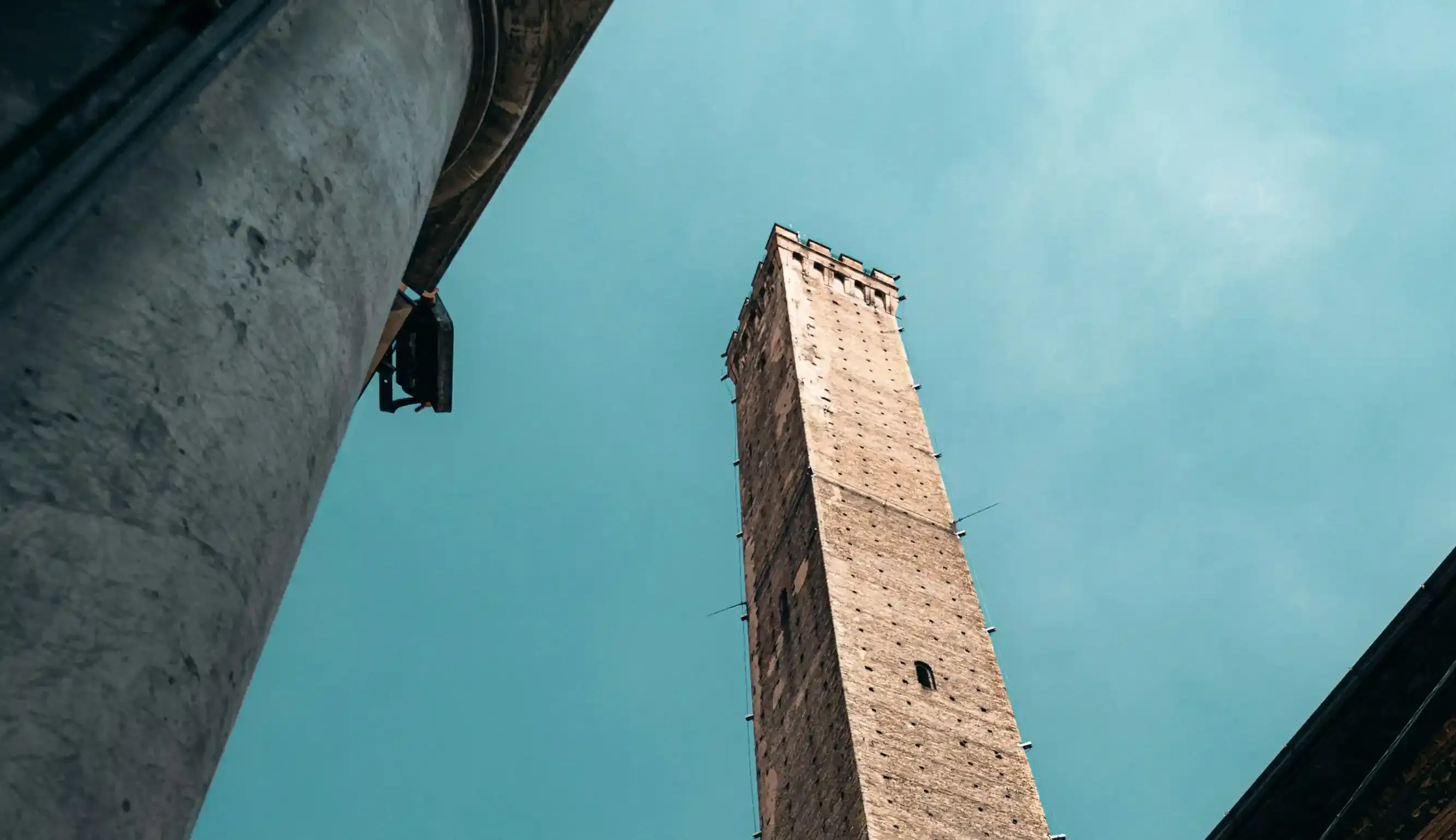
Bologna is a balanced base for remote workers. The city still feels smaller than Rome or Milan. It works well for writers, developers, researchers, and consultants who travel inside Italy.
A realistic monthly budget is €1,900–€2,700.
Florence

For the digital nomad visa Italy planning in 2026, Florence works best for design, arts, education, and creative work. Tourism-adjacent consultants can also find a strong base here. Central leases are harder to secure. Student demand reduces long-term supply. Choose Florence when lifestyle value matters more than price. Budget €2,100–€3,000 per month for a comfortable setup.
Naples
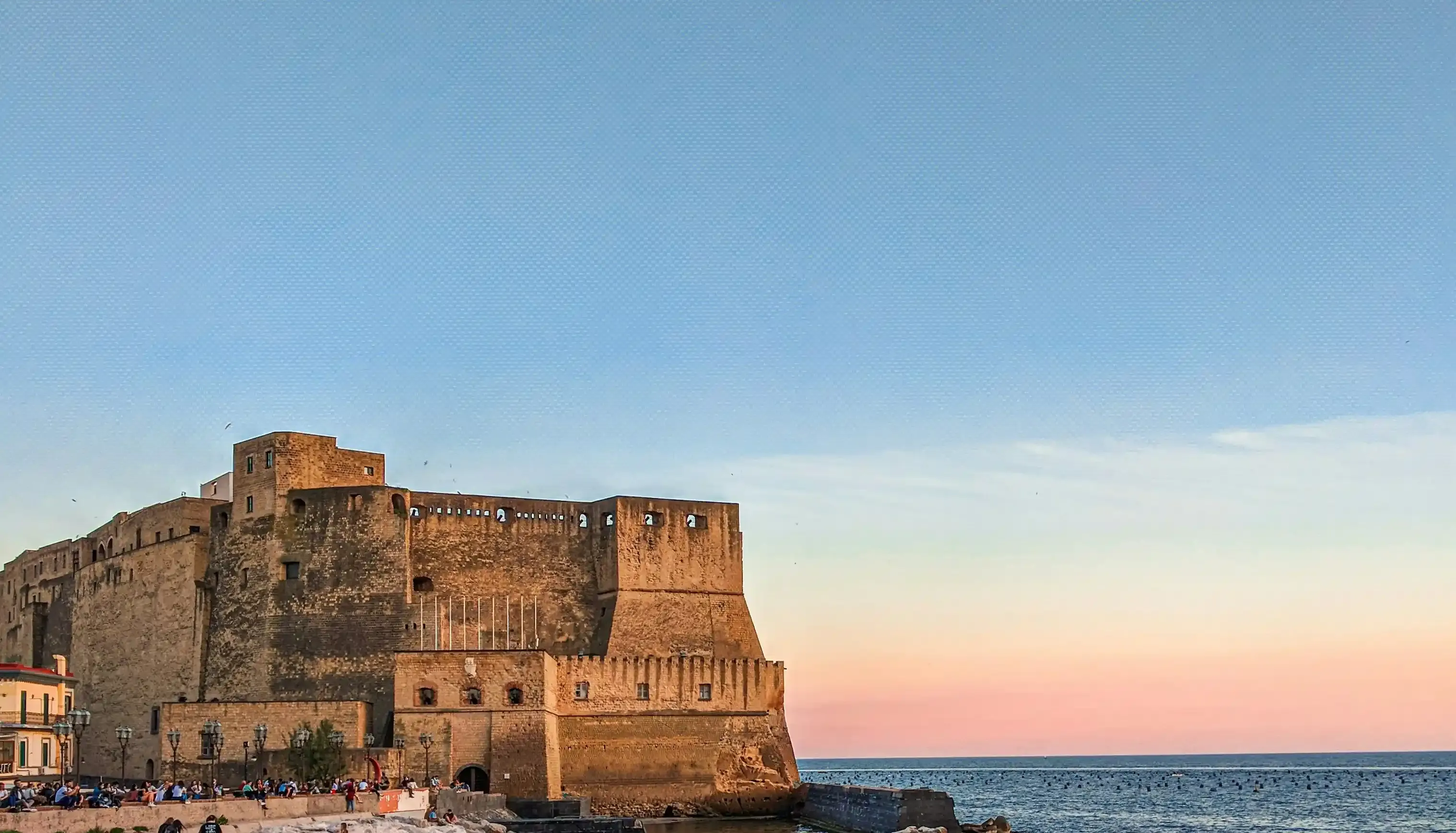
Naples offers strong value, food culture, coastal access, and lower housing costs. It is practical for freelancers and remote employees who do not have frequent northern business meetings.
Plan €1,600–€2,400 per month. Choose neighborhoods carefully. Verify internet quality before signing a lease.
Small towns and southern Italy
Small towns can reduce monthly costs sharply. The trade-off is administrative friction. Expect fewer English-speaking services, longer travel to immigration offices, and less rental documentation support.
Before choosing a small-town base, confirm fiber internet and Questura logistics.
Common Mistakes and Rejection Reasons
Most preventable refusals happen when the file does not prove the Italy digital nomad visa requirements 2026 with consistent evidence. The consulate must see a complete application package.
Incomplete or inconsistent documents
Different job titles, bank statements that do not match invoices, missing translations, and unclear degree documents all weaken the file.
Use one clean evidence line:
- Who you are.
- What qualified work you perform.
- Who pays you.
- Where the money arrives.
- Where you will live in Italy.
- How the work continues remotely after relocation.
Passive income counted toward the threshold
Passive income is the fastest way to damage the Italian digital nomad visa income requirement file in 2026. Rental income, dividends, stock gains, pensions, and savings may show financial comfort, but they do not prove active remote work.
Submit passive income only as secondary support. The main threshold should be covered by salary, professional fees, invoices, or active business income.
Incorrect accommodation proof
A hotel booking is risky for this route. A hospitality letter can also fail when the consulate requires a residential lease in the applicant’s name.
The safest document is a registered Italian residential lease for the intended stay. If the landlord will not register the lease, do not use that property for the visa file.
Applying at the wrong consulate as a non-citizen
Non-citizens must prove legal residence in the consular district. Visitor status, weak address proof, or an expiring residence document can block filing. Apply where you legally live. If your residence status will expire soon, fix that before preparing the Italian file.
Conclusions
The Italian digital nomad visa route is active in 2026. It is built for a narrow category of applicants. It suits highly qualified non-EU professionals with active remote income, documented prior experience, compliant housing, and clean post-arrival residence planning.
Applications are stronger when income, contracts, lease, insurance, and professional qualifications confirm the same relocation scenario. Self-employed applicants should prepare business evidence and Partita IVA planning. Remote workers should focus on contract quality, salary level, employer declaration, and work continuity.
Bimaris helps remote professionals prepare the Italian digital nomad visa file from eligibility review to document structure, consular filing strategy, and post-arrival residence planning. Contact us before signing a lease or booking the appointment — the right sequence prevents expensive corrections.

Related publications
Explore related insights and legal updates, covering immigration, relocation, and cross-border mobility.

Our legal experts will help you navigate the Cyprus residency process, choose the right investment route, and prepare a compliant application.

Our immigration experts will help you choose the most cost-effective European residency programme for your personal and financial goals.

Permanent residency is the next logical step once you have tested the continent on short-term visas and decided you want a stable base.

The Portugal digital nomad visa (D8) lets remote workers live in the country while earning income outside. Applicants qualify as remote employees, freelancers, contractors, or business owners.

Croatia’s Digital Nomad Visa lets remote workers live legally in Europe for up to 18 months while working for foreign clients or companies tax-efficiently.

A concise overview of the European Union Migration Pact, explaining the new migration and asylum rules and how they will affect moving to Europe from 2026.
Italian digital nomad visa: Frequently Asked Questions
Can I work for an Italian company on a digital nomad visa?
Only remote, highly qualified work is accepted. Ordinary local employment needs another immigration route.
Do I need to speak Italian to apply?
Is there an age limit for the digital nomad visa?
How long can I stay in Italy on a digital nomad visa?
What happens if I leave Italy for 90 days or more?
Can I bring my family members?

