
Easiest Country to Get Permanent Residency in Europe: Program Comparison 2026

I used their services for assistance with business-related immigration documents. Everything was handled professionally and communication was consistent. They were detail-oriented with paperwork, which honestly helped reduce a lot of stress. Overall, a solid experience without any major issues
Read on TrustPilot
I had a consultation with Bimaris Law Firm regarding immigration and tax questions connected to relocation. They were helpful and seemed knowledgeable in both areas, which saved me time looking for separate specialists. I appreciated the calm and professional approach. The whole experience felt smooth and well managed.
Read on TrustPilot
I've worked with Taras from Bimaris (formerly Intermarium) a few times now over the past few years. As a Canadian citizen, they handled my temporary residence permit on the basis of employment at my already-registered LLC. Everything was successfully handled in 2026, then in 2024. Recommended!
Read on TrustPilot
Working with the team was very easy. They were quick to respond to our questions and needs.
Read on TrustPilot
As in any country, negotiating immigration bureaucracy can be difficult. I am glad I used the services of Bimaris as they were professional and very supportive, advising me at every stage and managing the paperwork. Today, they accompanied me to the Immigration centre to ensure all went smoothly. I strongly recommend them to anyone looking for visa and immigration services in Ukraine.
Read on TrustPilot
I was supported throughout several stages of my immigration process, and they were always happy to provide initial consultation and costing for services without charge. I cannot fault my experience with them
Read on TrustPilot
Professional, reliable and reasonably priced. I would recommend them to my friends or clients if they need legal services in Ukraine.
Read on TrustPilotScrolling LinkedIn these days, you will bump into two kinds of posts. One brags about decoding the easiest EU country to get residency in a single YouTube binge. The other groans about surprise tax bills or rejected files. Both extremes miss the subtle middle ground where real expats live. To make a genuinely informed move, you need a balanced, legally current comparison, not a sales pitch.
Why Get Permanent Residency in Europe?
You do not need to be a billionaire or crypto whale to feel the pull of Europe’s blue flag. Permanent residency is the next logical step once you have tested the continent on short-term visas and decided you want a stable base.
Access to the EU market and Schengen Area
Freedom of movement: a PR card issued by any Schengen state unlocks 90/180-day visa-free stays across 29 countries, according to the European Commission.
Seamless business travel: hop between Frankfurt trade fairs, Tallinn hackathons, and Milan fashion shows without border friction.
Logistics benefit: e-commerce sellers can warehouse centrally and deliver throughout the EU in 24-72 hours.
This flexibility allows remote teams to have spontaneous in-person sprints, which are so much more effective than yet another Zoom call at building culture.
Long-term stability and relocation benefits
Temporary visas breathe down your neck with renewal deadlines. Permanent residency removes that clock. Once granted, you typically keep the status indefinitely, renewing a plastic card every five or ten years is administrative, not substantive.
Stability translates to practical perks:
- Public healthcare at resident rates.
- State schools for children, often in English streams.
- Easier mortgage approval, since banks view PR holders as low-risk.
- Eligibility for many national grants and tax incentives meant for residents.
The result is calmer life planning: you can lease a five-year office, enroll kids in a ten-year IB program, or invest in property without fearing sudden deportation.
Pathways to future citizenship
Permanent residency alone already satisfies most lifestyle goals, but the final upgrade - citizenship - adds travel power, democratic rights, and a plan-B passport. Naturalization clocks vary:
- Germany: five to eight years, depending on language proficiency.
- Estonia: roughly eight years.
- Latvia: PR after five years, citizenship after ten.
- Portugal: PR after five, citizenship after ten under the 2026 law.
- Cyprus: eight out of eleven years.
- Lithuania: ten years.
Because citizenship rules anchor on continuous lawful residence, locking down permanent residency early shortens the finish line. Investors working with Bimaris typically map both timelines from day one, so each renewal counts toward the passport.
What Makes a Country Easy for Permanent Residency?
Before we crown the easiest country to get permanent residency in Europe, we have to unpack “easy.” Is it cheap? Fast? Light on paperwork? Each applicant ranks these differently, but three factors repeat in every consultation.
A French-style rubric helps. Imagine weighing the three criteria below; assign importance out of ten for your personal situation, and multiply by each country’s score.
| Criterion | Why It Matters | Typical Range in EU | Weight (Your Choice) |
|---|---|---|---|
| Financial Threshold (investment OR income) | Determines upfront cash or salary required | €14,000–€300,000 (investment) / €920–€50,700 annual income | 1–10 |
| Processing Speed | Controls how soon you can move family or launch ops | 45 days – 12 months | 1–10 |
| Naturalization Timeline | Affects how long until you qualify for a passport | 3–10 years after PR | 1–10 |
Fill the last column with what truly keeps you up at night, then multiply and sum. The winner will often surprise you - it frequently is not the program trending on TikTok.
Investment and income requirements
A country feels “easy” when the entry ticket matches your cash flow. Digital nomads with steady SaaS revenue gravitate toward low-income probes like Portugal’s D7. Bootstrapped founders like Lithuania’s €14,000 equity route. High-net-worth individuals shrug off €300,000 in Cyprus because property yields offset the cost.
Keyword alert: many nomad forums conflate “no investment” with “free.” Even income visas ask for bank statements, tax returns, and sometimes long-term leases - administrative costs that add up. Still, if you lack capital, an income-based route is effectively the easiest country to get permanent residency in Europe without investment.
Processing times and residence rules
Speed is not just about impatience; delays can derail product launches or school terms. Latvia processes investor residence permits in 5 to 30 days. Lithuania’s expedited track approves temporary residence permits in 45 days. Ireland’s Critical Skills permit averages 3 to 8 weeks.
But speed can be negated by onerous residence conditions. Portugal’s income visas demand you to spend the majority of each permit period on Portuguese soil. Estonia’s entrepreneur permit, meanwhile, lets you travel almost full-time while the company grows remotely. A brittle 183-day presence requirement might be a deal-breaker for nomads, even if the card arrives in record time.
Naturalization timelines
Finally, “easy now” should not become “hard later.” Some countries dangle quick PR but stretch citizenship far into the future. Cyprus grants indefinite PR in six months but requires eight of the past eleven years in-country for a passport. Germany inverts the model: the paperwork slog upfront is heavier, yet the 21-33-month sprint from arrival to PR, followed by a five-year citizenship runway, ranks it among the easiest EU country to get residency if your career is in STEM.
Estonia: Digital Residency and Business Access
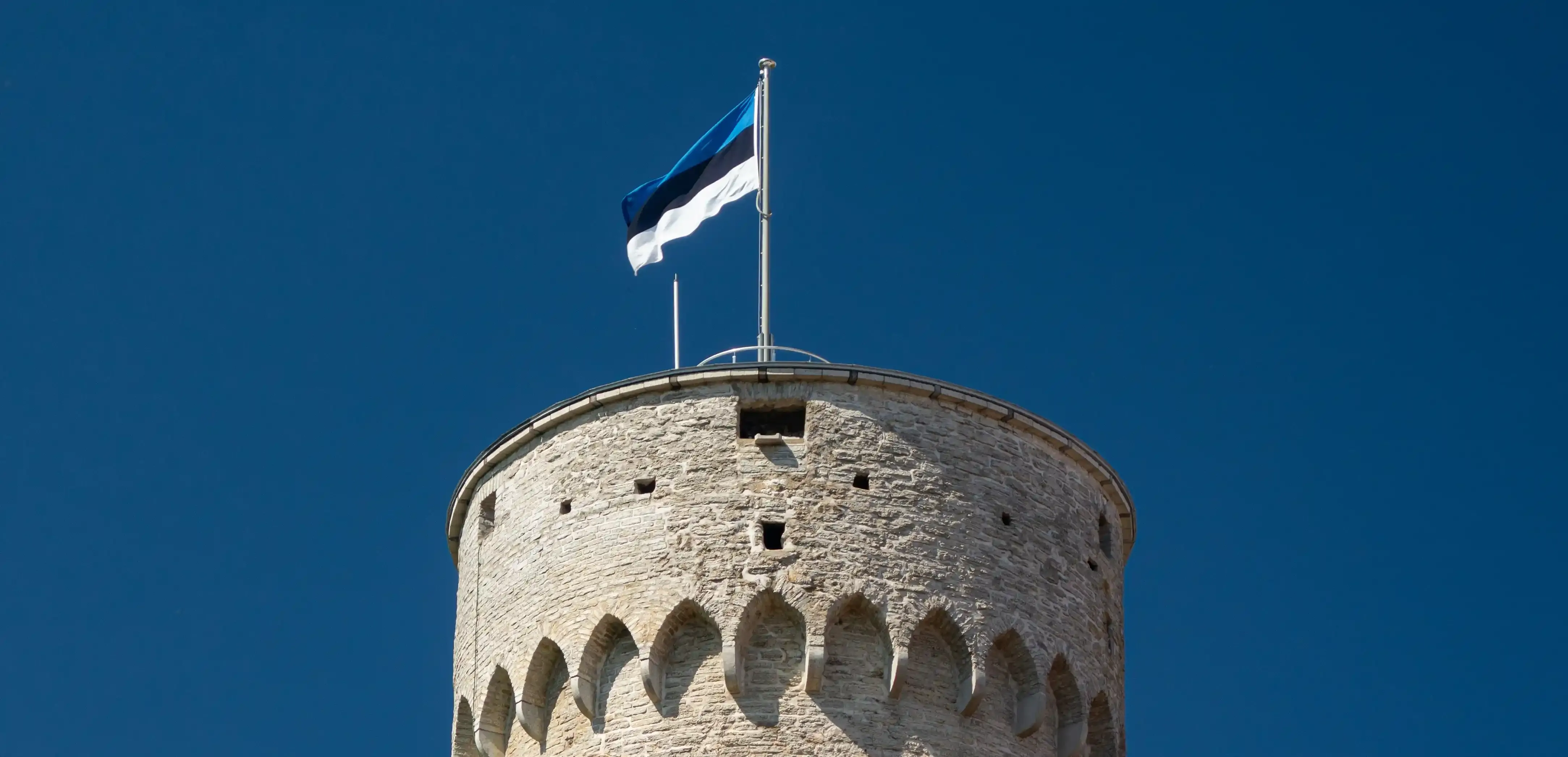
Estonia’s reputation as a hacker-friendly sandbox is well-earned. X-Road e-services, 99% digital bureaucracy, and an English-first startup scene form a low-friction runway for founders.
The Estonian Aliens Act was overhauled in March 2025. From 2026, every residence application passes through a unified Police and Border Guard Board portal - no stamping kiosks. Founders appreciate direct API status updates, while venture capitalists love the predictable cap table rules modeled on Delaware.
Entrepreneur-focused residence permits
Founders pitch a tech-centric concept to the Startup Committee. Approval yields a D-visa (12 months) or a five-year temporary residence permit. No statutory investment minimum exists; you simply show personal funds of €800 per month. Many applicants begin by reading the startup visa in Estonia guide on Bimaris’s site, which demystifies the pitch deck criteria.
Physical presence rules remain light: you may operate globally as long as the Estonian company files taxes and payroll normally. That distinguishes Estonia as the easiest EU country to immigrate to for digital founders reluctant to plant roots in one city.
| Metric | Startup A (Estonia) | Startup B (Spain) |
|---|---|---|
| Capital raised | €150,000 seed | €150,000 seed |
| Processing time | 7 weeks | 5 months |
| Physical presence | 1 day every 6 months | 183 days/year |
| First employee hire | Month 3 (remote) | Month 6 (in-country) |
Faster onboarding and a remote-friendly presence in Estonia meant Startup A scaled revenue earlier. That concrete saving often matters more than the legal fee variance.
Long-term residency requirements
To convert to PR, you need:
- 1Five years of lawful stay (any five within an eight-year window).
- 2A2 Estonian - passable after one “Keeleklikk” online course.
- 3Proof of subsistence via salary or dividends.
- 4Health insurance and clean criminal record.
Applicants usually bundle the language test with the mandatory adaptation course. For a deep dive on paperwork and eligibility, read more about the permanent residence permit in Estonia.
What seals the deal for many remote founders is Estonia’s transparent tax system: 0% corporate tax on retained profits. Dividends incur 22%, but only when distributed, letting cash compound inside the company. This policy, rare in the EU, lowers burn rate and often tips the balance when comparing the easiest European countries to get residency.
Estonia, therefore, ticks three separate boxes at once: low cash barrier, quick processing, and manageable naturalization, an overlap that keeps it on every list of the easiest country to get permanent residency in Europe.
Latvia: Affordable EU Residency Option
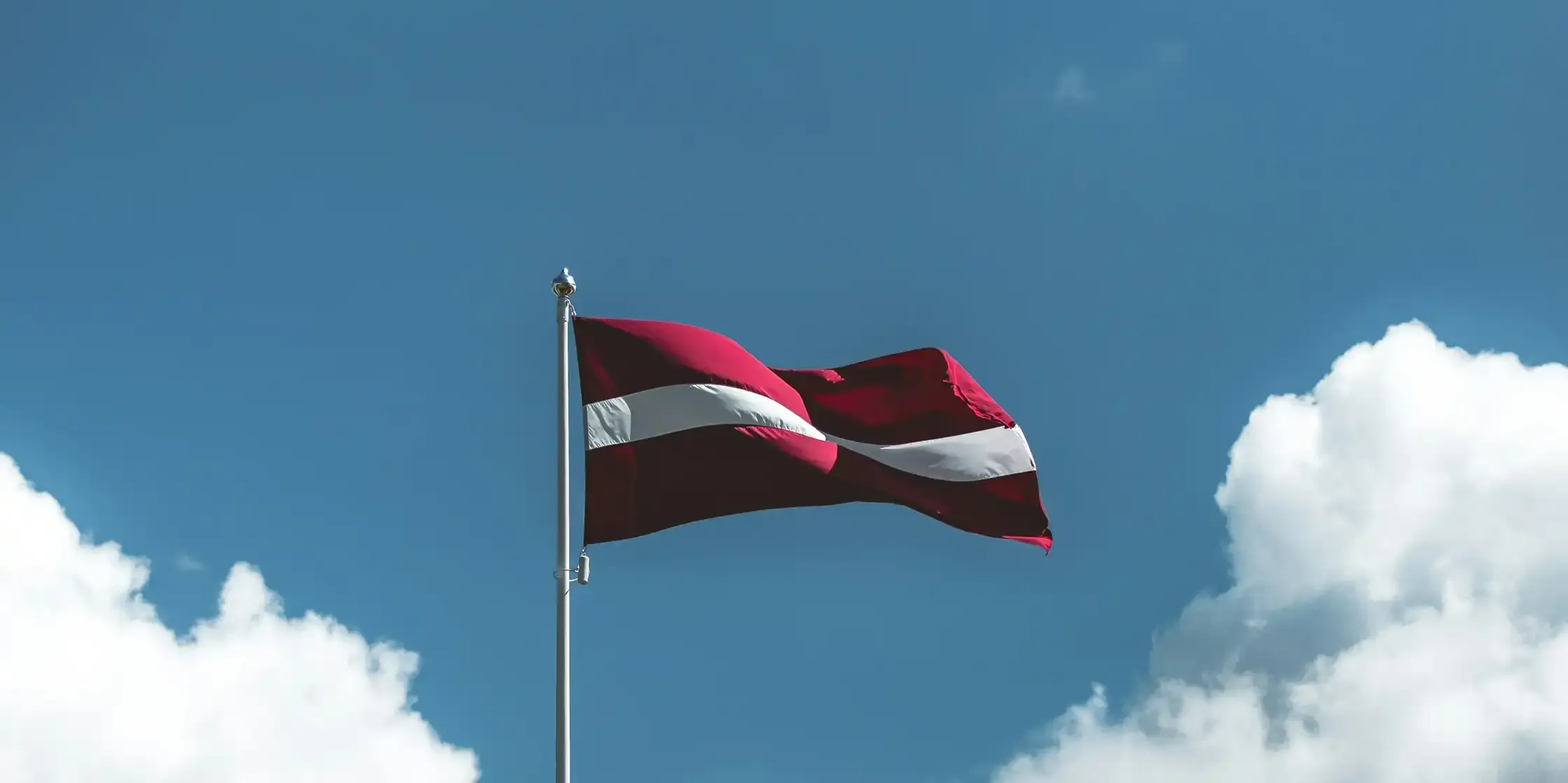
Latvia rarely hogs the spotlight yet continuously attracts pragmatic investors. It delivers Schengen access at a fraction of Portugal-level costs while letting families settle in a capital that blends Baltic calm with Nordic design.
At the statutory level, Section 23 of Latvia’s Immigration Law governs the €50,000 business injection route. That ceiling has not moved since 2016, rendering it inflation-adjusted cheaper every year. Recent parliamentary debates confirm there are no hikes on the horizon, solidifying Latvia’s budget leadership.
So, a residence permit in Latvia offers three pathways: a €50,000 equity injection into a Latvian company, a €250,000 property purchase, or a €280,000 bank bond. The €50,000 threshold is the lowest “Golden Visa” style ticket inside the EU today.
Investment-based residence pathways
Latvia offers three choices - business, real estate, or bank deposit - each leading to a five-year renewable residence permit.
- 1Business equity (€50,000): inject funds into an SIA, prove €40,000 in annual taxes, pay a one-time government fee of €10,000, and keep share capital intact for five years.
- 2Real estate (€250,000): buy up to two residential or commercial units; cadastral value must exceed €80,000 in Riga or combined value elsewhere.
- 3Bank bonds (€280,000): subordinated loan to a Latvian bank for five years plus a €25,000 state fee.
Because €50 000 is the smallest golden-style investment in the Eurozone, analysts label Latvia the easiest country to get permanent residency in Europe for cost-conscious investors. Rental yields in Riga hover around 7.2%, among the highest gross returns in the EU, and vacancy remains low, cushioning the hold period.
Real estate and business routes
Entrepreneurs typically open an SIA through the Latvia company registration service, which bundles notarization, VAT number, and AML compliance. Processing from file to residence card runs one to three months - faster than Greece or Italy.
Latvia applies a standard corporate income tax of 20% on distributed profits, while its micro-enterprise regime charges a flat 25% on turnover up to €40,000 - a simplified structure designed to ease administrative burden for small operators. Owning local property also gives families residency proof for school enrollment. Minor cons exist: Latvian language permeates official letters, and winters can be harsh. Yet the program’s absence of a language test for PR or citizenship until year ten compensates. Investors balancing children’s schooling, startup burn, and global travel frequently conclude that Latvia is the easiest EU country to get residency, so long as they accept a Baltic climate.
Portugal: Popular Route for Expats and Investors
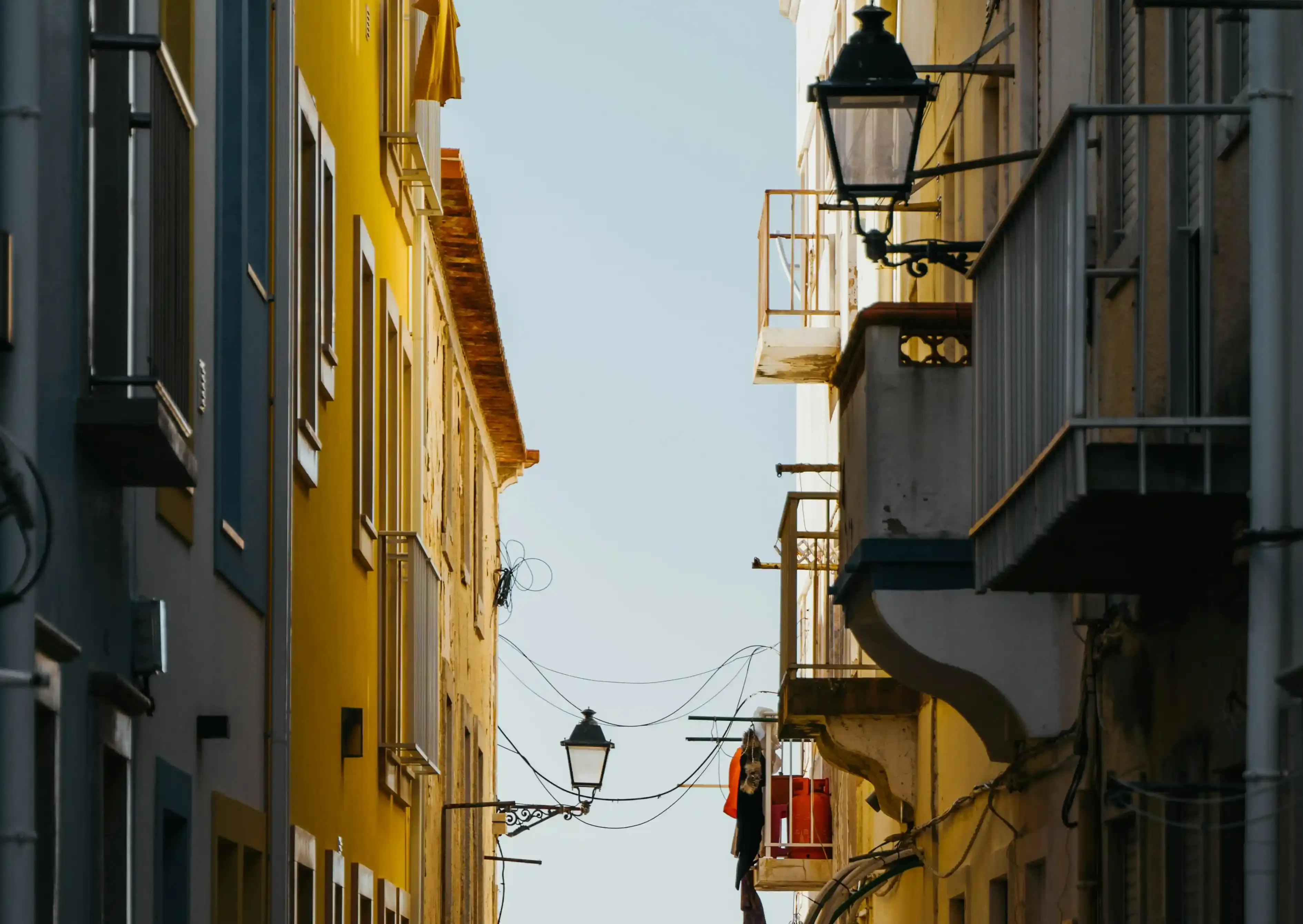
Portugal’s Atlantic sunsets and café culture sell themselves, but its residency framework warrants a sober dive, especially after the 2026 nationality law amendment stretched the citizenship waiting period.
Unlike the Baltics, Portugal invites retirees and creatives alongside entrepreneurs. That inclusivity underpins its high rankings on the easiest EU country to immigrate to lists that dominate English-language blogs.
Residency through investment and income
Two household names dominate conversation:
- 1D7 Passive Income visa - show recurring income of roughly €920 per month (100% of the Portuguese minimum wage). Acceptable sources include pensions, dividends, rental income, or IP royalties.
- 2Digital Nomad (D8) visa - prove about €3 600 monthly remote income (four times the minimum wage). Applicants often attach employer letters or freelance contracts.
Golden Visa fans still have a path, now exclusively through fund subscriptions, research, or cultural donations at €250 000-€500 000. Real estate closed in 2023.
Because D7 and D8 involve no capital lock-up, Portugal remains in the top three for the easiest country to get permanent residency in Europe without investment, albeit with stricter presence rules: six consecutive months or eight non-consecutive months maximum absence per permit period.
Another magnet is the Non-Habitual Resident (NHR) tax regime: qualifying newcomers enjoy a flat 20% rate on Portuguese-sourced employment income and exemption on many foreign-sourced earnings for ten years. Even with talk of tweaks, the core remains in 2026, keeping Portugal attractive to online consultants and crypto traders.
Path to permanent residence and citizenship
Timeline mechanics:
- 1Temporary card: two years, renewable for three.
- 2After five years: apply for PR, provided you have passed A2 Portuguese and maintained residence.
- 3Citizenship: the ten-year clock now starts from the residence permit issuance date (May 2026 law).
The doubled citizenship horizon dampened enthusiasm but did not erase it. For many digital workers, a decade in sunny Portugal beats five grey winters elsewhere. That lifestyle-led equation is why Portugal remains near the top when ranking the easiest EU country to get residency by broader life-quality metrics.
Lithuania: Fast-Growing Immigration Destination
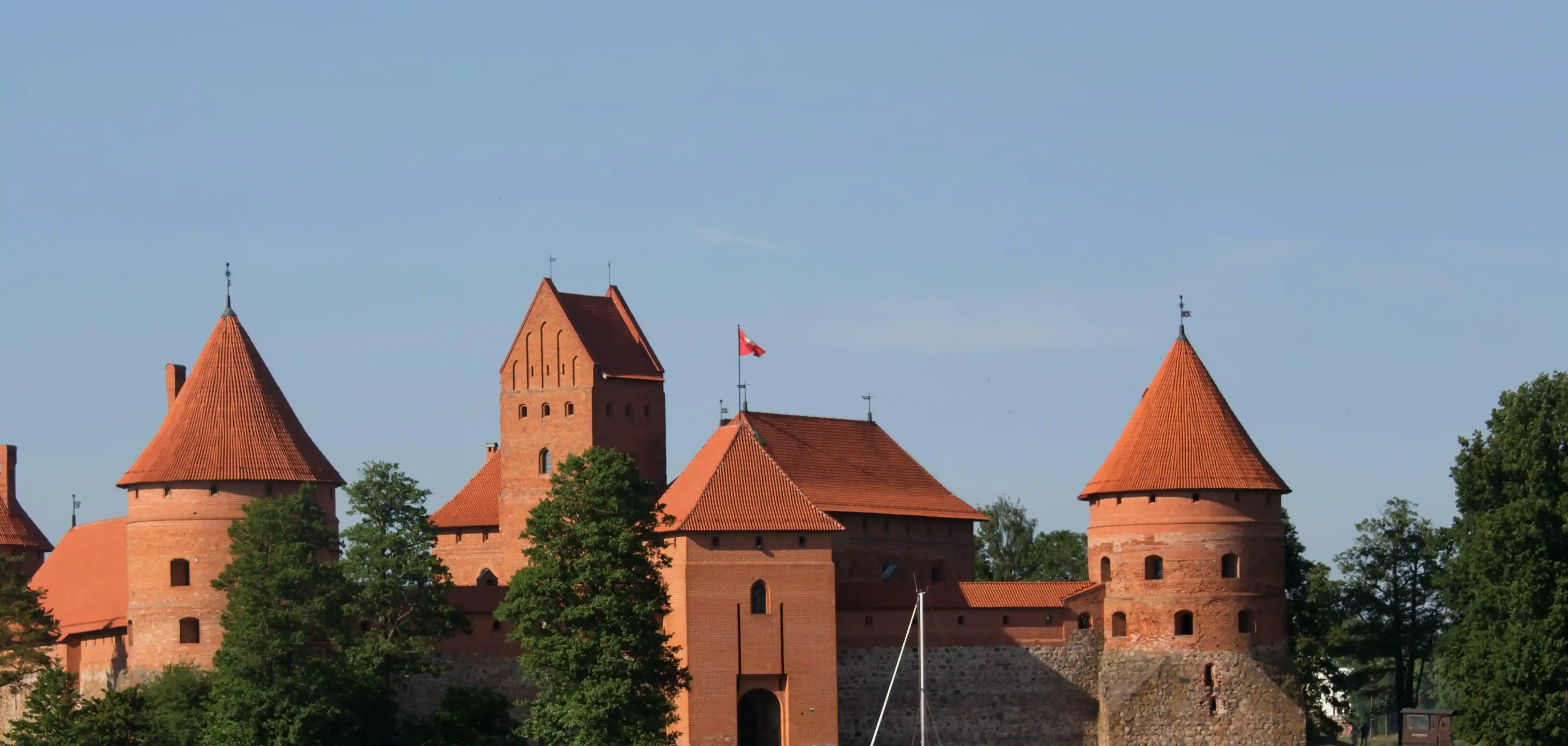
Say “Lithuania” and some still picture post-Soviet scenery. Visit Vilnius today, and you will find 5G-enabled co-working lofts, coffee roasted on-site, and AI meet-ups overflowing onto cobbled streets. Combine that vibe with the lowest cash buy-in in the EU, and you see why the country storms into every “easiest European countries to get residency” debate.
Lithuanian Passport by Descent already lets many diaspora members reclaim citizenship outright. For everyone else, business immigration dominates.
Business immigration opportunities
Investment Residency (RPI) - invest €14,000 into a new or existing UAB and demonstrate real activity.
Entrepreneur Visa - capitalize company at €28,000; family included automatically.
Why €14,000 matters: compared with Latvia’s €50,000 or Cyprus’s €300,000, it feels almost frictionless. Early-stage SaaS founders can reallocate saved funds to marketing; remote agencies can onboard local developers at competitive rates.
Lithuania levies a 15% corporate tax, but micro-entities with fewer than ten employees and €300,000 turnover pay just 7%, the lowest headline rate in the EU. Double-tax treaties with 55 countries prevent income from being hit twice. These fiscal sweeteners strengthen Lithuania’s candidacy as the easiest country to get permanent residency in Europe without investment for those using sweat equity.
Requirements for long-term stay
Permanent residency after five years requires:
- A2 Lithuanian;
- Continuous corporate activity: tax filings, minimal payroll, and real clients;
- Proof of accommodation and health coverage.
Lithuania’s trump card is speed: an expedited PR procedure of 45 days outruns every other EU migration desk. After PR, the ten-year citizenship runway remains, but with GDP growth forecast at 3% in 2026, many founders plan to stay anyway. Word of mouth now positions Lithuania among the absolute easiest European countries to get residency if cost, speed, and startup fit are your pillars. For investors scaling operations, Lithuania residence permit by Investment details the larger €50k and €260k alternatives.
Germany: Strong Economy and Skilled Migration
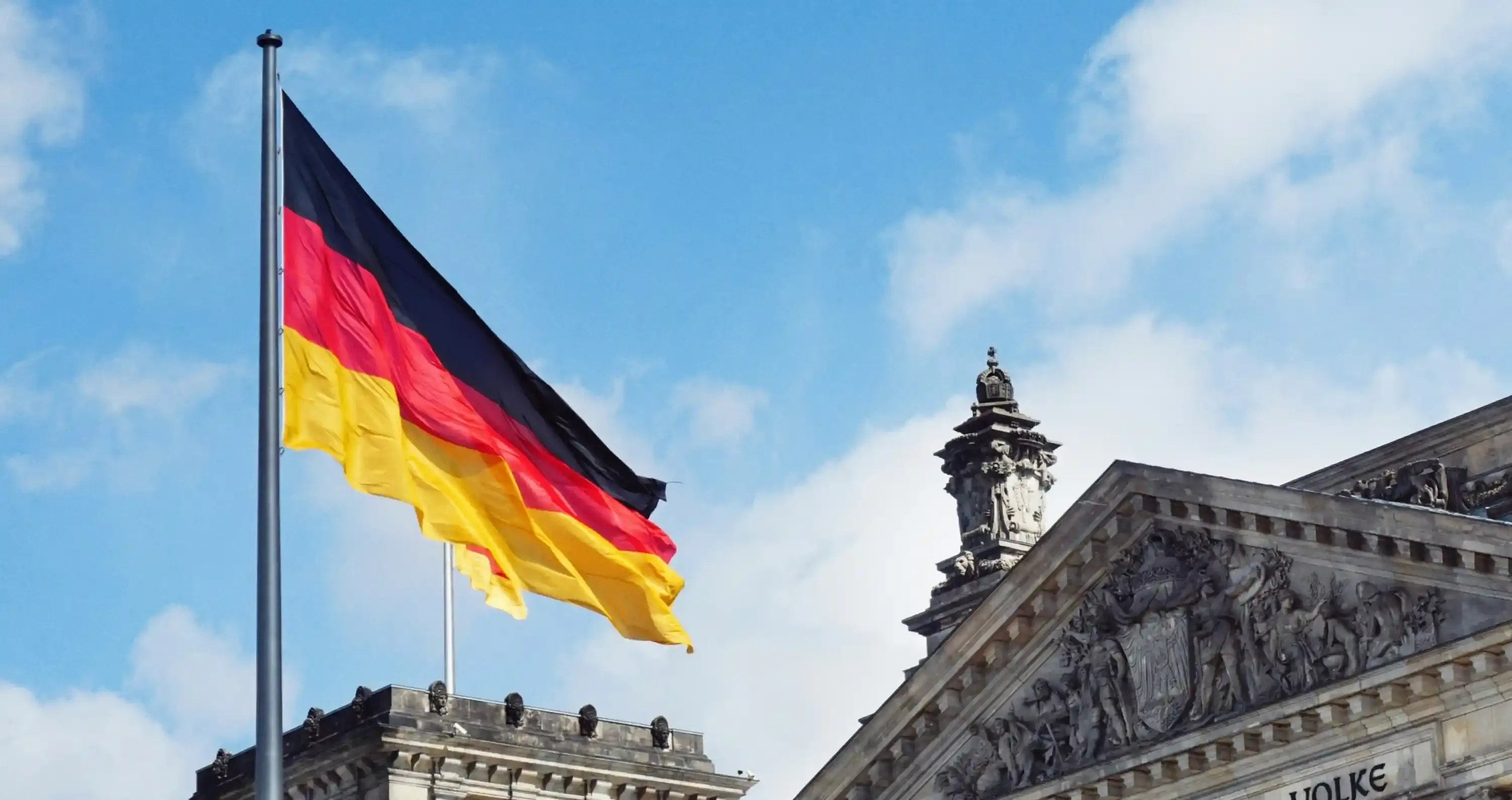
Germany conjures bureaucracy jokes, yet its Blue Card path subverts stereotypes by being mathematically the easiest EU country to get residency for university-educated professionals.
Berlin’s tech scene, Munich’s deep-tech clusters, and Frankfurt’s finance jobs create high-salary openings that meet Blue Card thresholds. Recruiters often sweeten offers by covering relocation and language lessons, effectively outsourcing half the permit prep.
EU Blue Card and work permits
Key numbers for 2026:
- Standard salary threshold: €50,700.
- Shortage occupation/IT/new graduates: €45,934.
- Validity: up to four years.
- Family reunification: immediate, spouses can work freely.
IT pros without formal degrees may still qualify if they prove at least three years of comparable experience, an under-advertised nuance that drops Germany into the “easiest EU country to immigrate to” lane for self-taught coders dismissed elsewhere.
Permanent settlement conditions
Hold the Blue Card for 27 months, and you can apply for a settlement permit (Niederlassungserlaubnis). If you hit level B1 German first, the period dips to 21 months under Section 18c of the Residence Act. Germany also heavily subsidizes state language and integration courses, which often double as local networking events.
Once PR is achieved, many expats leverage Germany’s generous parental benefits (Elterngeld) and pension accrual, adding life-stage value beyond the raw timeline. These public-benefit layers explain why, on survey after survey, software engineers still vote Germany one of the easiest European countries to get residency in despite chilly bureaucratic stereotypes.
Ireland: Residency Through Employment and Business

English language, common-law system, and EU single-market access make Ireland the de facto headquarters for many U.S. tech giants. For individuals, it offers an underrated shortcut to PR: the Critical Skills Employment Permit (CSEP).
Critical skills employment permits
Since March 2026, new salary floors apply:
- €40,904 for occupations on the Critical Skills list.
- €68,911 for others not on the ineligible list.
Skip the labor-market needs test, arrive with your family, and two years later, you obtain Stamp 4, a permission functionally equivalent to PR. No renewal hoops, no language tests. This straightforward path positions Ireland highly when considering the easiest EU country to get residency for Anglophone professionals.
Processing speed (eight to twelve weeks) plus immediate spousal work rights mitigate high Irish rents. The government’s new Remote Work Strategy, launched in 2025, funds co-working hubs in rural counties, letting newcomers sidestep Dublin housing pressure while retaining city-level salaries.
Investor and entrepreneur options
The Immigrant Investor Program is suspended, but the Start-Up Entrepreneur Programme (STEP) survives, demanding €50,000 in funding. While not the cheapest, it retains two benefits:
- 1You can raise part of the funds from a recognized accelerator.
- 2Founders qualify for Irish citizenship after five of the past nine years - quicker than Portugal.
Rent-a-desk models and a deep angel network mean founders can soft-launch at minimal burn. For English speakers allergic to language exams or Mediterranean heat, Ireland competes as the easiest EU country to immigrate to in a culturally familiar setting.
Cyprus: Residency With Tax Advantages

For sun-seekers and tax strategists, Cyprus juxtaposes a Mediterranean lifestyle with a headlining 12.5% corporate tax rate. Although outside Schengen, it offers a uniquely “sticky” PR that never lapses if you visit once every two years.
Permanent residency by investment
The Category 6.2 fast-track demands:
- €300,000 in new property, local company shares, or collective investment funds;
- Secured foreign income: €50,000 main applicant, €15,000 spouse, €10,000 per minor;
- Initial application decision in about six months.
The previous requirement to lock up a €30,000 bank deposit for three years has been officially abolished, freeing up working capital, though applicants must still clear a rigorous criminal record check. As the investment is in physical assets, the permit is viewed by many as a real-estate diversification play, rather than a sunk cost. This is attractive for seasoned investors with mortgage rates of 3.1-3.5% on average in 2026.
Benefits for non-EU nationals
Advantages extend beyond sunshine:
- 1English widely spoken in business and schooling;
- 2Double-tax treaties with over 65 nations reduce withholding tax pain;
- 3Fast internet and direct flights to Europe, Middle East, and Africa;
- 4Low property tax since its abolition in 2017.
Investors from Asia and the Gulf, who might not qualify for Baltic entrepreneur visas, rank Cyprus among the easiest EU country to immigrate to because a physical stay is minimal, with one visit every two years. The government also unveiled a digital nomad permit in 2025 with a €3,500 monthly income floor, offering an interim step for those eyeing Category 6.2 but still building capital.
How to Choose the Best Country for Permanent Residency
How do you pick your winner in a swirl of competing narratives? Forget social-media rankings and think about matching personal constraints to program strengths.
Start with three self-diagnosis questions: 1. 2. Capital: Can I comfortably park €50,000+ in Europe, or do I rely on monthly income? 3. Mobility: Will I live in my host country most of the year, or roam? 4. Timeline: Am I chasing a passport fast or optimizing taxes and lifestyle first?
Answering these narrows the shortlist quickly.
Best for entrepreneurs
Before making your choice, weigh up the ecosystem fit, accelerators, VC climate, talent pool, as well as ease of getting permits.
- Estonia is a good fit for tech startups with global scale ambitions and VC round targets. e-Residency integrates banking and payments in days.
- Lithuania is for the bootstrapped product builders looking for the lowest equity threshold and bargain engineering talent.
- Latvia attracts SME owners or consultants preferring a low-tax dividend model and straightforward accounting.
Whichever you choose, bake language study into year one; even minimal proficiency eases banking and client relations and accelerates naturalization.
Best for affordability
Affordability blends cash threshold, living costs, and tax profile. Lithuania’s €14,000 ticket is unbeatable upfront. Portugal’s D7 yields a low entry cost, but Lisbon rents inflate the total budget, so many applicants target Porto or interior cities to keep the equation balanced. Latvia’s €50,000 investment amortizes across five years and can earn dividends, making it competitively cheap in net terms, especially if you remodel and Airbnb the property part-time.
Best for future citizenship prospects
If the passport is paramount:
- Germany: five-year citizenship for B1 German speakers, PR in 21 months.
- Ireland: five of nine years, no language test, and dual-citizenship friendly.
- Latvia: ten-year citizenship, but PR hurdles are mild, and the cost is low.
Investors often layer family goals here: a German high school diploma recognized worldwide, or an Irish university in English may outweigh the Baltic cost savings.

Related publications
Explore related insights and legal updates, covering immigration, relocation, and cross-border mobility.

Our legal experts will help you navigate the Cyprus residency process, choose the right investment route, and prepare a compliant application.

Our immigration experts will help you choose the most cost-effective European residency programme for your personal and financial goals.

The Italy Digital Nomad Visa gives non-EU remote professionals a legal route to live in Italy while working online.

The Portugal digital nomad visa (D8) lets remote workers live in the country while earning income outside. Applicants qualify as remote employees, freelancers, contractors, or business owners.

Croatia’s Digital Nomad Visa lets remote workers live legally in Europe for up to 18 months while working for foreign clients or companies tax-efficiently.

A concise overview of the European Union Migration Pact, explaining the new migration and asylum rules and how they will affect moving to Europe from 2026.
Explore common questions about Easiest Country to Get Permanent Residency in Europe
Which European country has the easiest permanent residency requirements?
Latvia and Lithuania offer the lowest investment thresholds, while Germany’s Blue Card speeds skilled workers to PR in under two years.
Is permanent residency in Europe the same as citizenship?
What is the cheapest country in Europe to get residency?
Can permanent residency lead to EU citizenship?
Which European residency program has the fastest processing time?

